
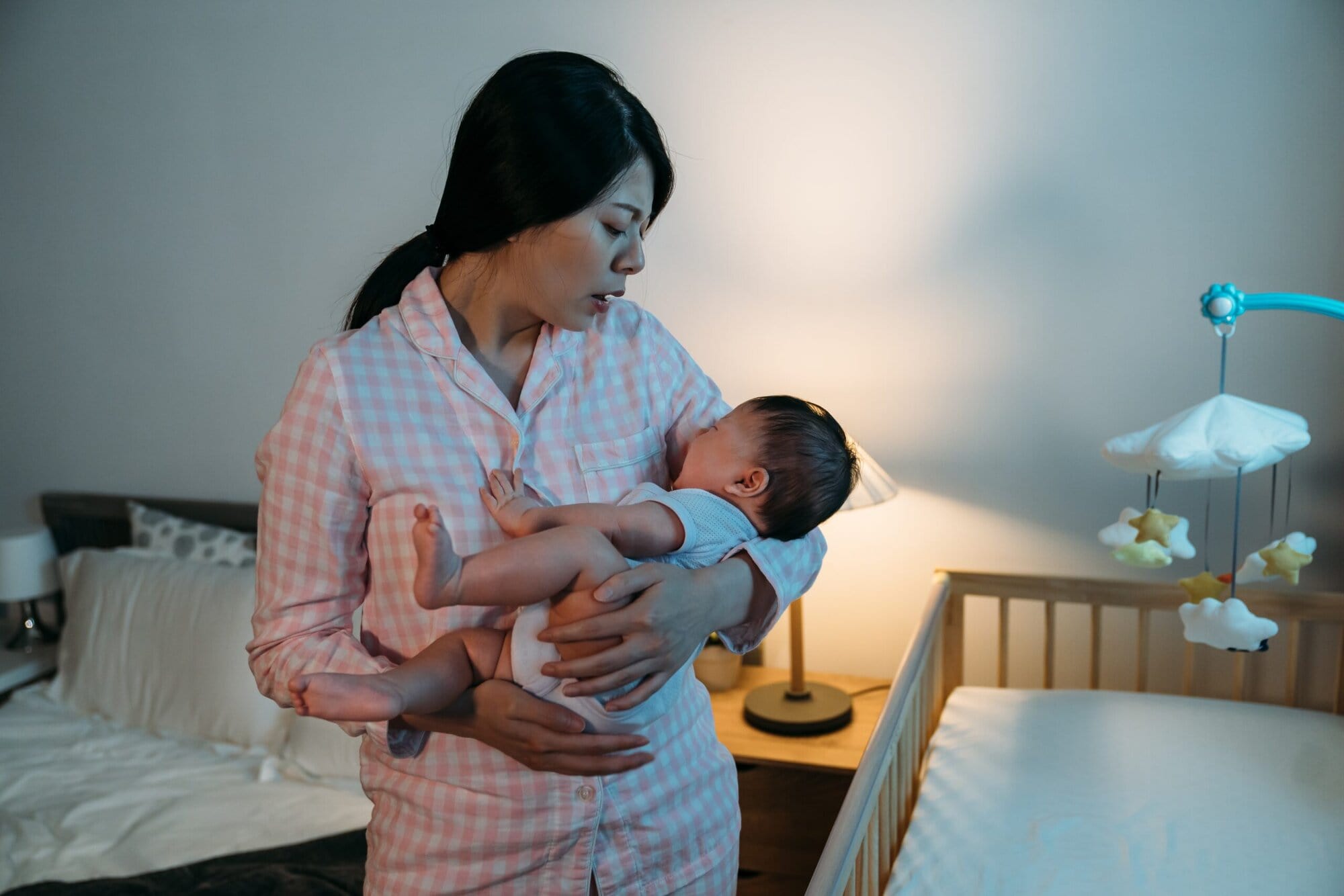
The weeks and months after bringing home a baby are often described as joyful, meaningful, and life-changing. They are also exhausting, disorienting, and emotionally intense. For many parents, anxiety becomes part of this adjustment. Some level of worry is normal when you’re suddenly responsible for a completely dependent human being.
But for some, the anxiety does not settle. It escalates.
Postpartum anxiety is common and treatable. It can affect mothers, and it can affect partners. While those with a prior history of anxiety are at higher risk, it can emerge in people who have never struggled with anxiety before. Hormonal shifts, sleep deprivation, lack of support, identity changes, physical recovery, and the weight of responsibility can create the perfect storm.
It is not a personal failure. It is not a sign that you are not meant to be a parent. It is a nervous system that is working overtime.
Who’s at Higher Risk?
Certain factors increase vulnerability, but they do not determine who will experience postpartum anxiety.
- A personal history of anxiety or panic
- Previous postpartum depression or anxiety
- A history of trauma
- Complicated pregnancy, birth, or NICU experience
- Limited social support
- Significant life stressors during pregnancy or after delivery
That said, postpartum anxiety can happen to anyone. Many parents are surprised by how intense their internal experience becomes, especially if they have always considered themselves steady or emotionally resilient.
What Postpartum Anxiety Looks Like
All new parents worry. They check that the baby is breathing. They double-check car seats. They google symptoms at 2 a.m. They buy all the gadgets and subscriptions. Some anxiety is part of bonding and protection. Normal stress tends to rise and fall depending on the situation. It responds to reassurance and it typically softens with rest or support.
Postpartum anxiety feels different. It is more persistent, more intrusive, and harder to soothe. You may find that your thoughts race even when everything appears fine. Instead of occasional concern, there is a near-constant sense that something terrible could happen at any moment. Sleep can become difficult even when the baby is sleeping. Your body may feel keyed up with a tight chest, nausea, heart racing, and restlessness.
Many parents describe intrusive thoughts that feel upsetting or out of character. These thoughts can be frightening precisely because they clash with how deeply you care about your baby. It is important to understand that intrusive thoughts are a common symptom of anxiety disorders. Having a thought is not the same as wanting something to happen. The distress you feel about it often reflects your protective instincts.
The key difference between normal adjustment stress and postpartum anxiety is intensity and impairment. When anxiety begins to interfere with sleep, bonding, decision-making, or daily functioning, you need more help.
The Role of Social Media
Modern parenting doesn’t happen in isolation. It happens alongside a constant stream of curated images and opinions. When you are already sleep-deprived and hormonally sensitive, this environment can amplify anxiety.
Highlight reels of other families can create unrealistic comparisons. Conflicting parenting advice can make every decision feel high-stakes. Influencers often project certainty, which can intensify self-doubt. Stories about rare but tragic events can disproportionately occupy mental space and make unlikely dangers feel imminent.
Social media can quietly erode confidence. Instead of tuning into your own instincts, you may feel compelled to research every choice. Sometimes, intentionally limiting exposure or curating what you consume can noticeably reduce anxiety. Your brain and body does not benefit from constant stimulation and alarm.
How Support and Therapy Help
Humans are not wired to parent alone. Historically, caregiving happened within the community. Isolation magnifies anxiety, while connection regulates it.
Support might look like:
- A partner taking a night shift so you can sleep
- A friend listening without minimizing your worries
- Family helping with meals or household tasks
- Parent groups where others share similar experiences
When someone sits with you and says, “This is hard, and you’re not alone,” your body can soften. Shared experience reduces shame and normalizes the emotional complexity of early parenthood.
Therapy offers an additional layer of support. It provides a structured space to untangle anxious thought patterns and calm an overactivated nervous system. You do not have to wait until things feel unbearable. Early support can prevent escalation.
In therapy, we often work on identifying catastrophic thinking, reducing compulsive checking behaviors, strengthening grounding skills, and rebuilding trust in your own judgment. If there was a difficult pregnancy or birth experience, processing that can be an important part of healing. If you have a history of anxiety, therapy can help prevent old patterns from taking over during this vulnerable season.
Sometimes medication is appropriate, and therapy can help you think through that decision alongside a medical provider.
Most importantly, therapy offers containment. Instead of carrying every fear alone at 3 a.m., you have a place where those fears can be spoken, examined, and supported.
A Gentle Reminder
Postpartum anxiety can convince you that you are the only one struggling this way. You are not. It can tell you that constant worry is proof of love. In reality, love does not require relentless fear.
If your anxiety feels louder than your joy, if you cannot rest even when given the opportunity, or if your thoughts feel intrusive and overwhelming, you deserve support. With the right care, the intensity can lessen. Your brain and body can recalibrate. You can move from constant vigilance to steadier confidence.
Parenthood is demanding. You do not have to navigate its hardest moments alone. At Birchwood Clinic, our therapists specialize in helping parents manage the transitions to parenthood and the anxiety that can come with it. We offer both in-person and virtual therapy, and accept BCBS PPO, Aetna, Blue Choice, and Anthem. Call, email, or book an appointment online to get started. We’re here to help.